
Hair System Care 101: How to Swim Without Ruining Your Look
Dec 31,2025
What Makes Swimming Risky with a Hair System
Picture walking a tightrope. That’s what diving into a pool or ocean with a hair system can feel like. One misplaced step—a rolling tape edge, some abrasive chlorine, or an unexpected wave—and your painstakingly coiffed hair might just drift away like a piece of flotsam.
Frightening? Definitely.
Avoidable? You bet.
More wearers of hair systems are afraid to swim than nearly anything else. Fear of being detached, damaged, or looking odd is understandable. But the good news: swimming with a hair system is not only possible—it can be completely stress-free, if you do it correctly.
Unfortunately, the majority of wearers make first-timer errors. Things like running out of tape, forgetting to put conditioner in, or just wishing that they have good luck. These little hacks can be disastrous.
Here on the blog, we’re going to walk you through an extensive, efficient regimen that protects your hair system before, during, and after a swim—so that you don’t fear enjoying the water.
Essential Pre-Swim Preparation
Step 1: Never Swim with Old Tape
Hair system adhesives are strong, but not invincible. Tape especially begins to weaken over time—exposed to body heat, oils, and daily movement. Add water (especially chlorinated or salt water), and that aging tape can break down faster than you’d think.
Solution: Always apply fresh tape before swimming.
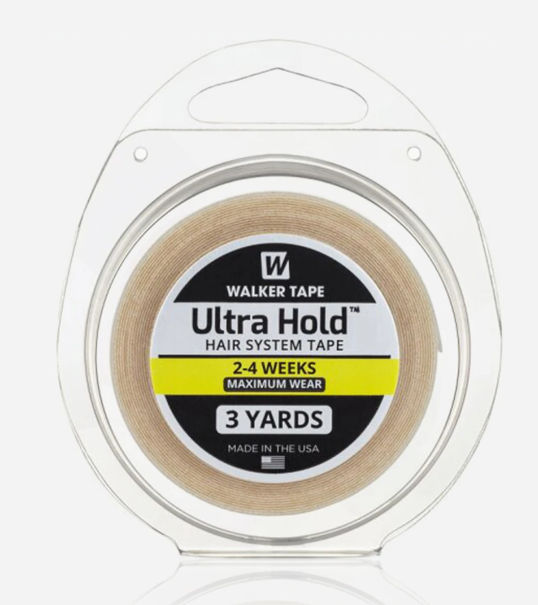
We recommend using a high-performance silicone-based tape like Walker Ultra Hold. It’s designed to withstand moisture, and when applied correctly, can give you days of strong hold—even after a swim.
Tip:
- If you know you’ll be swimming, do your tape refresh the same morning or night before.
- Press down firmly and allow time for the tape to cure—this makes the bond stronger and more water-resistant.
Step 2: Apply Leave-In Conditioner Before Swimming
Pools and oceans are harsh on hair—whether it’s growing out of your head or knotted into a base. Chlorine removes moisture. Saltwater creates harsh, knotted texture. The result? Dry, brittle strands that tangle easily and lose their shine.
Protective step: Apply a leave-in conditioner lavishly before you get in the water.
Think of it as applying sunscreen before going outside in the sun.
How to use:
- Apply a lightweight, silicone-free leave-in conditioner.
- Work it through damp hair with your fingers or wide-tooth comb.
- Take extra care in the ends, the most vulnerable parts for dryness and damage.
Bonus Advantage: Conditioner builds a shield that stops your hair from soaking up excess chlorine or salt—and it makes tangling less of an issue during extended swimming periods.
Post-Swim Care Routine
Step 3: Rinse Immediately After Swimming
If you let chlorine or salt sit in your hair, it’s like letting your hair system marinate in damage. Even 30 minutes is sufficient.
What to do instead:
- Rinse immediately in fresh water as soon as you can after swimming.
- Use lukewarm water—not hot! Hot water will loosen adhesives and cause premature lift.
- Rinse out the water through the hair gently with your hands. Don’t rub hard, especially at knots.
Even if you can’t wash your hair right away, a quality rinse eliminates 80% of the bad chemicals.
Step 4: Remove and Clean Properly
Even with the best tape, swimming weakens your bond slightly. If you’re swimming often (or had a long session), it’s wise to remove your system and clean up afterward. Why? Because water can sneak under the edges and mix with body oils, loosening everything over time.
Post-swim protocol:
- Gently lift off the hair system. Start at the back to avoid damaging the front hairline.
- Use adhesive remover to clean off all tape or glue from both your scalp and base.
- Let your scalp rest for at least an hour. Clean, dry skin makes the next application stronger.
Tip: If your schedule allows, let the base fully dry before reapplying adhesive. This ensures maximum bonding strength.
Step 5: Recondition Your Hair
Remember the leave-in conditioner you used before swimming? It worked well, but much of it was probably wasted in the water or during rinsing. Balancing moisture and softness needs repairing.
How to recondition:
- Apply a lightweight, moisture-rich leave-in conditioner after your rinse or shower.
- Gently comb it through your hair system to distribute evenly.
- Let it air dry or gently pat with a microfiber towel.
Doing this will keep your hair looking silky, healthy, and natural—even if you swim regularly.
Final Thoughts: A Few Minutes of Prep Go a Long Way
Not taking care of a hair system is what destroys it, not swimming. The most harm comes from not taking care of the details: not putting on tape, not using conditioner, or neglecting maintenance after swimming. However, if you work on being responsible, you can swim in the ocean, pool, or hot tub like everyone else—without worry and with confidence. A hair system is an important investment of your time and money, and gives you confidence and self-esteem. Treat it with respect, and it will accompany you—lap after lap, wave after wave.
Comment