Mesh Integration vs. Hair Extensions: What Works Best for Thin Hair Clients?
Jan 29,2026
When a new salon begins offering “hair enhancement services,” hair extensions are often the first option on the menu. But once you start seeing more clients with fine hair, thinning on top, or visible scalp, you’ll quickly realize something important:
Not every client is a safe candidate for traditional extensions.
For thin-hair clients, the wrong method can create tension, discomfort, shedding, or even accelerate breakage. That’s why more salons are now comparing traditional hair extensions vs. mesh integration systems—and also adding a third, highly salon-friendly solution: hair toppers.
In this blog, we’ll break down how each method works, which clients are best suited for each option, and why many salons choose to offer wholesale hair toppers as a low-risk, high-conversion category—especially when partnering with a trusted hair toppers manufacturer and hair piece supplier like Goodyard Hair.
What Thin Hair Clients Really Need (Before Choosing a Method)?
Thin-hair clients usually want one or more of the following:
- More density and fullness
- Coverage at the crown or part line
- A natural blend (not a “wig look”)
- A solution that protects fragile bio hair
- Confidence without discomfort or damage
The best salons don’t just “sell hair.” They recommend the right method for the client’s hair condition and lifestyle, and that’s where the differences between extensions and mesh integration matter.
What Are Traditional Hair Extensions?
Traditional hair extensions are designed to add length, volume, or both by attaching added hair directly to the client’s natural hair.
Common extension methods include:
- Tape-ins (adhesive wefts)
- Keratin bonds (strand-by-strand bonding with heat)
- Beaded wefts (rows attached with microbeads and thread)
- Clip-ins (temporary removable pieces)
Extensions can look beautiful on clients with fine but stable hair, but they require careful placement and consistent maintenance. For clients with real thinning or fragile strands, extensions may be too stressful because the weight and tension are attached directly to the bio hair.
What Is a Mesh Integration System?
Mesh integration is a semi-permanent, non-surgical system designed for clients with moderate to advanced thinning, especially where scalp visibility is a major concern.
Instead of attaching hair directly to fragile areas, mesh integration uses:
- A breathable mesh base over thinning zones
- Bio hair pulled gently through the mesh
- Added hair wefts and a closure secured to the mesh (not to weak hair)
Mesh integration is often described as “not a wig and not a clip-in,” because it can be worn continuously and offers strong coverage with a natural finish.
| Feature | Traditional Hair Extensions | Mesh Integration Systems |
| Primary purpose | Add length and volume | Add coverage + volume for thinning |
| Attachment method | Attached directly to natural hair (tape, beads, bonds, clips) | Secured to a mesh base over thinning areas |
| Best for | Fine but stable hair | Moderate to severe thinning or visible scalp |
| Scalp coverage | Limited | Excellent (especially crown/top) |
| Hair protection | Can cause tension if hair is fragile | Designed to reduce stress on weak areas |
| Comfort | Can feel tight/heavy depending on method | Lightweight, breathable, secure |
| Wear time | Varies; some require removal | Semi-permanent (often worn 24/7) |
| Maintenance cycle | Regular move-ups and adjustments | Typically every 5–8 weeks |
Which Method Is More Suitable for Different Client Types?
Clients Best Suited for Traditional Extensions
Hair extensions are a good choice when the client has:
- Fine hair, but stable density
- Minimal scalp visibilit
- Strong enough strands to hold attachment points
- Goals focused on length + fuller ends, not crown coverage
For these clients, extensions can be a premium, high-ticket salon service.

Clients Best Suited for Mesh Integration
Mesh integration may be more suitable when the client has:
- Moderate to advanced thinning
- Visible scalp at the crown/top
- Patchy thinning (alopecia-related patterns)
- Hair too fragile to safely hold extension tension
- A desire for continuous wear with secure coverage
This system can be life-changing for the right client, but it also requires a salon team prepared for longer consultations, customization, and ongoing maintenance cycles.

The Salon Reality: Not Every Thin Hair Client Is Ready for Either Option
This is where many newly opened salons struggle.
Some clients fall into a “middle zone,” such as:
- Early-stage thinning at the crown
- Postpartum shedding
- Aging-related density loss
- Clients who want coverage, but are nervous about semi-permanent systems
- Clients who need flexibility and lower commitment
For these clients, extensions may be risky, and mesh integration may feel too advanced.
That’s why more salons are adding hair toppers to their service menu.
Why Hair Toppers Are the Most Salon-Friendly Option for Thin Hair Clients?
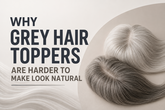
Hair toppers provide targeted coverage for thinning areas while remaining:
- Non-surgical
- Reversible
- Lightweight
- Easy to blend
- Easy for first-time hair loss clients to accept
They are ideal for clients who want coverage at:
- Crown
- Part line
- Top/front hairline
Unlike mesh integration, toppers can be removed daily, allowing easy scalp access for clients using treatments or simply wanting flexibility.

Why Offering Wholesale Hair Toppers Is a Smart Move for New Salons?
For salons, hair toppers are not only client-friendly—they are business-friendly.
Benefits for Salons and Stylists
- Faster consultation-to-sale conversion
- Lower technical risk than mesh integration
- Lower damage risk than extensions for fragile hair
- High perceived value and strong profit potential
- Easy add-on services (cutting, blending, styling, maintenance)
To scale this category successfully, salons need a stable supply partner.
That’s where Goodyard Hair comes in.
Goodyard Hair: Your Trusted Hair Piece Supplier for Salon Growth
Goodyard Hair supports salons and stylists with professional solutions as a:
- hair toppers manufacturer
- hair piece supplier
- Provider of wholesale hair toppers
- Supplier of bulk hair toppers for salons building a topper service menu
When you work with a reliable manufacturer, you can confidently offer toppers with consistent quality, predictable results, and better long-term client satisfaction.
Final Recommendation: What’s Best for Salons?
If your salon wants to serve thin-hair clients safely and profitably, the best strategy is not choosing only one method. It’s building a smart service structure:
- Extensions for fine but stable hair clients who want length and volume
- Mesh integration for moderate to severe thinning needing semi-permanent coverage
- Hair toppers for early-stage thinning, crown/part line issues, and first-time hair loss clients who want flexibility
For newly opened salons, hair toppers are often the easiest, lowest-risk way to enter the hair loss category—especially when sourced through wholesale hair toppers or bulk hair toppers programs from an experienced hair toppers manufacturer.
Ready to Add Hair Toppers to Your Salon Menu?
If you want to offer premium toppers with stable quality and consistent supply, Goodyard Hair is ready to support your salon as your long-term hair piece supplier.
We help salons start small, grow confidently, and build a profitable hair loss service that clients truly need.
Comment